As acoustic guitar in the blues style is the thing that I teach, let's focus on this area for a while. In the USA, differences in picking style evolved according to a particular region, which was additionally dependent on the influences of the best blues guitarists in that area. In general we can say that the extremities of classic blues are the dark tones of the delta and the ragtime dance rhythms of Piedmont ragtime picking. Naturally, there are other major styles between the two different styles. Its best to investigate all the techniques when deciding to learn how to play blues.
Delta Blues Guitar
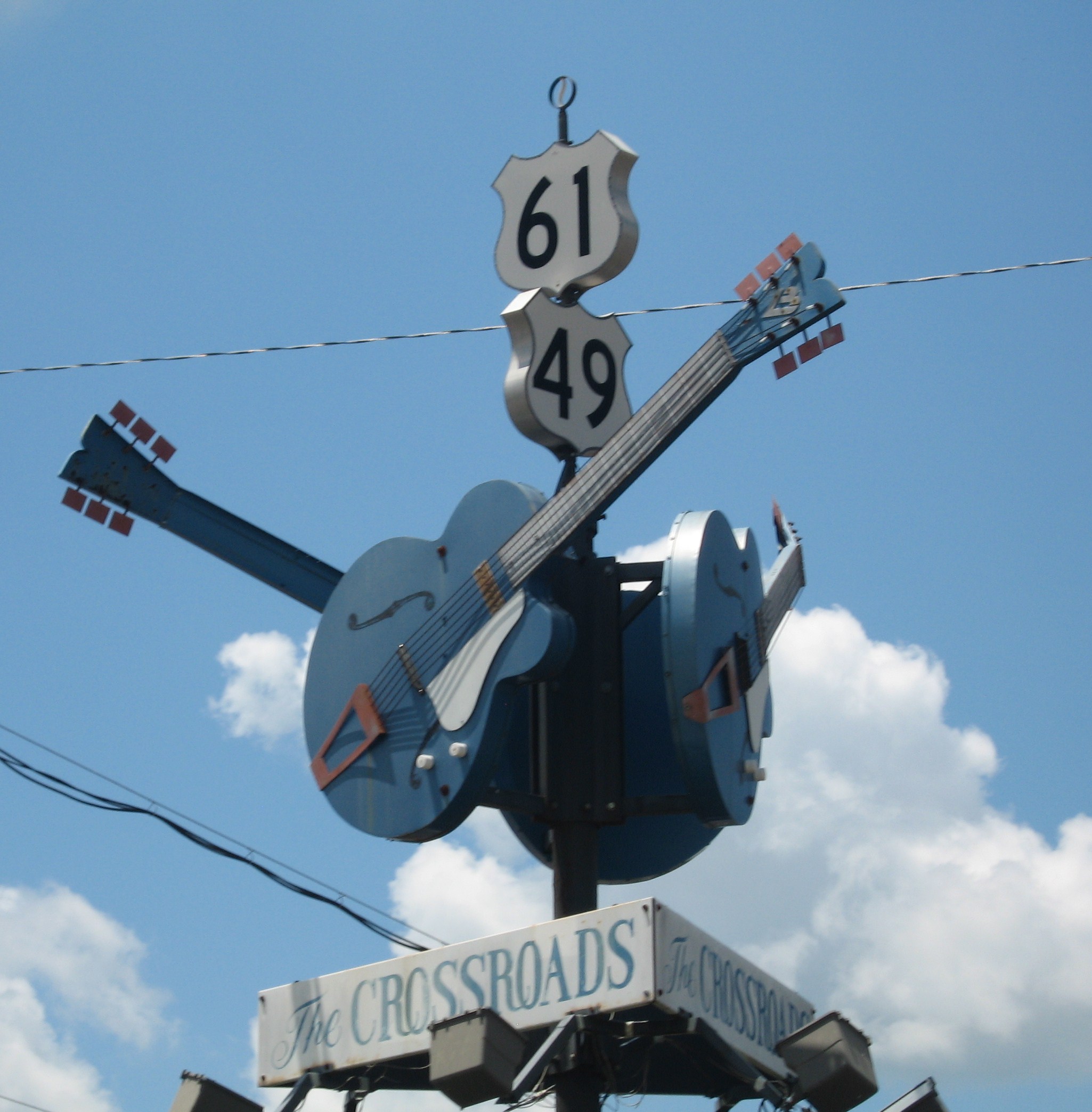 Just a step away from the early field work song, bottleneck or the slide delta blues guitar technique evokes a heart-felt cry from the emotions. It's probable that this blues style evolved before others, simply because it reduced the necessity to form many complex chords. Frequently, guitars were tuned down to open tunings, such as D, G and sometimes C (Skip James, for example).
 One thing is certain, it produces a very plaintive sound when performed in the right way, and some masters like Fred McDowell, and Robert Johnson perfected this interesting way of playing.
It could also be that a guitar that was tuned down was much easier to keep tuned in the hot weather of the Mississippi, delta where the blues first appeared.
One celebrated delta blues guitarist was not delicate at all with his playing style, but the emotional appeal of Son House gets him a prominent place at the top of the blues table when making a list of the masters we should study if we would like to learn blues guitar
Other kinds of blues guitar
In general, blues guitarists preferred to go within their own regional way of playing, now and again including music from other styles to diversify the repertoire and keep their public engaged. Some blues men nonetheless, moved over the boundaries and mastered many styles of blues guitar, like Big Bill Broonzy and Gary Davis. Any blues guitar lessons should included a study of such players.
The Reverend was a student of Blind Willie Walker, a really slick and precise ragtime blues guitarist from Greenville, Carolina. Reverend Davis could perform in mostly any key and in several style, but he preferred to play religious songs in his later years.
Big Bill was southern born, but became a celebrity 'pop blues star' in the city of Chicago, where he created a much admired and copied style called Chicago swing blues guitar, which was notable for its monotonic thumb strikes on the basses. He was additionally really fast and accurate - few present day guitarists can emulate his technique properly. Some of his songs lean towards ragtime blues guitar but he could also play pop songs from his day.
The Complexities Of Ragtime Blues Guitar
Ragtime blues might be thought of as the most complicated style within the group acoustic guitar blues'. The songs of Lightnin' Hopkins was most definitely Texas bluesy and was frequently performed in the keys of A and E. Its true that many of his songs performed in the same key were quite similar. Nonetheless, his talent for up-beating the tempo and mixing styles puts him in a group all by himself. He shouldn't be ignored in any serious study, if if you want to learn authentic country blues.
It's fascinating that some great guitarists who could really fingerpick the blues also came from South Carolina, like Floyd Council, Pink Anderson and Scrapper Blackwell. Anderson was a fast guitarist in the ragtime blues style and perfected his technique performing for the good Doctor Kerr's traveling medicine show.
Floyd Council didn't make a lot of records under his own name, but we can hear him playing second guitar to Blind Boy Fuller on some tracks recorded in the forties. The techniques were quite similar, and they were probably both influenced by Willie Walker and Reverend Gary Davis. He was called the 'Devil's Daddy In-Law' for advertising purposes, but it isn't clear why that is.
Scrapper Blackwell was a very influential artist who wrote quite a few blues guitar classic songs, like ' Blues Before Sunrise' and the powerful 'Kokomo Blues'. This later song was 'borrowed' by Delta guitarist Robert Johnson, who adapted it, giving it the new name Sweet Home Chicago.
Its also worth noting that a unique style of finger picking evolved called Travis picking (it was pioneered and perfected Merle Travis) - it has a distinct ragtime blues guitar feel with a heavily damped alternating bass pattern. Doc Watson shows us the way of this style of playing blues guitar with his great rendition of 'Deep River Blues'.
A Final Word About Ragtime Blues Guitar
We talked about Rev Gary Davis, who was the daddy of ragtime blues guitar, but of course there were other worthwhile performers of this very appealing complicated guitar style.
Blind Wille McTell created syncopated patterns on his 12 string Stella guitar, writing classic songs like 'Statesboro Blues'. Fuller was maybe the most financially successful out of the ragtime blues guitar players, and his technique was heavily guided by Reverend Gary Davis, who had him as a student for some years.
Blind Blake recorded more than one hundred tracks under the Paramount label and produced many great standards. His complicated picking technique featured complex thumb-roll syncopation, lightning fast triplets using his fingers and slick single strings runs.
The Legendary Robert Johnson
Some individuals, significantly Eric Clapton among them, appears to wish to BE Robert Johnson. It's a bit odd, however I entirely identify with the infatuation that takes over some folk when talking about Johnson, his work and his identity in the real blues.
For me, it's not really valid aiming to be another person, however I do concur that it's enjoyable attempting to emulate how he played. It's also probable that he would have not been so extremely revered if he had not passed away so young - this is the kind of thing that legends are made of! The reality is that there are no legends, simply individuals that we have to raise up to that position, to occupy that out-of-reach pedestal - it appears to be a human requirement.
Singing and Playing at The Same Time!
Well, generally a guitar player plays something rather complicated in between the lines of verse, develops an groove or beat and then sings over the musical pattern he developed. In Johnson's case, it appears he just stopped and started singing anywhere at all without his guitar playing suffering - it's rather a tricky technique and it's generally masters that can do it (Rev Gary Davis, Broonzy).
Some fans have actually examined the old 78s and discovered that they were accelerated rather a lot, so we in fact hear Johnson singing at a greater pitch and faster than he really did! This is really interesting - if you slow the records down and lower the pitch, you get an overall effect which sounds a lot like Son House. This makes total sense, as Johnson accompanied the older guy and probably borrowed his style ad technique, or at minimum, some chord structures, licks and riffs.
Obviously, Johnson's psychological strength and his expertise on acoustic guitar was powerful and has actually influenced many artists over the last 90 years or more.
Johnson's Song Repertoire
Taking a look at his output of 26 sides, they can be organized into various structures and tunings, in particular open G, dropped D and regular normal tuning. All his tunes in any specific key were just about the same, which is true for just about all guitarists. It's a tough call to always have freshness in our guitar finger picking, as our picking style and habits tend to produce the same old sounds.
In those days, it was essential to have a broad range of tunes in your collection, so that the audience would not get tired and you had to play something for everybody - no doubt demands were frequently made for popular tunes of the day. Johnson even played 'pop' tunes such as 'Red Hot' in the key of C, which wasn't much of a piece at all, however it was a light and and a good counter point to his typical dark and extreme Mississippi blues songs.
Was Robert Johnson Original?
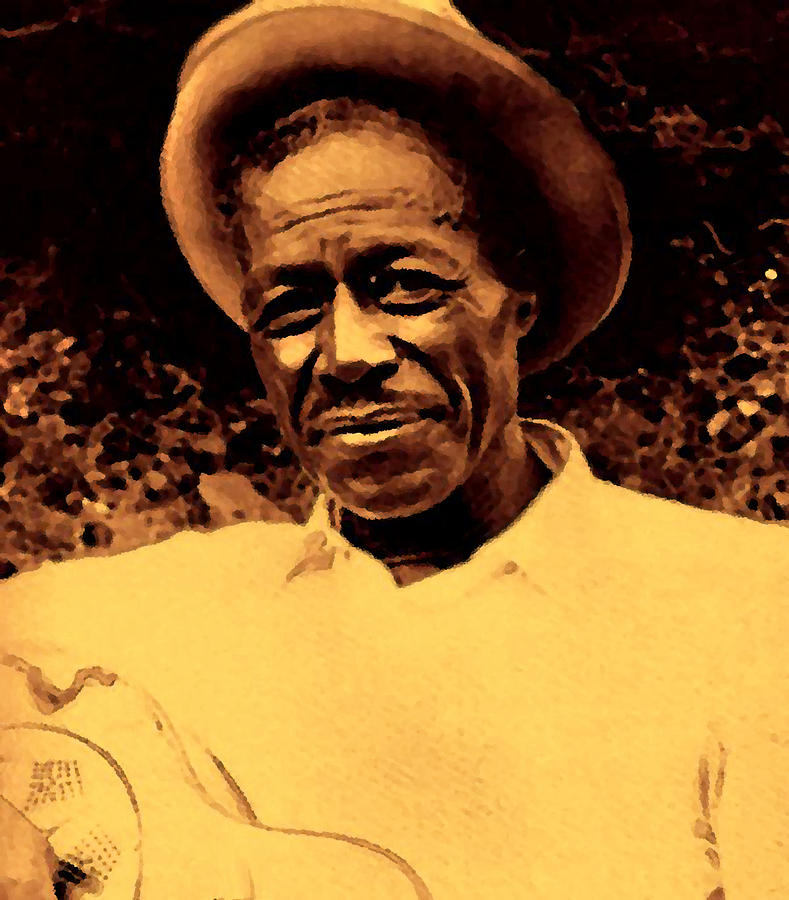
Classic works like Crossroads were another reincarnation of Walkin' Blues, which was first heard in field recordings by Muddy Waters and Son House prior to Johnson's recording. Come On In My Kitchen, another tune on open G was a camouflaged variation of 'Sitting On Top Of The World', a Jug Band standard.
His tunes in the key of A did produce some fascinating riffs not discovered in other blues master's work, so in that sense, he was creative. His most popular tune 'Sweet Home Chicago', was a direct copy of 'Kokomo Blues' composed by Scrapper Blackwell, who was a far more imaginative acoustic blues guitarist.
Possibly the 2 finest mentors for Johnson would have been Son House and Johnny Shines. House's thrashing right-hand fingers style pattern was really different from Johnson's delicacy, however a lot of the riffs are the very same. Thankfully, another of Johnson's traveling buddies, Johnny Shines, endured into the seventies and his playing provided us ideas about Johnson's fingerpicking technique. Look for Johnny Shines Sweet Chicago on Youtube and you'll discover a terrific old video revealing Shine's hands in close up - this is most likely how Johnson played it as well - t's the closest we'll probably get to seeing Johnson in action.
Jim's Lesson Review From 'Downhome Blues Magazine'
Playing acoustic fingerstyle ragtime/ blues guitar is most likely the most satisfying of all guitar styles I have actually ever learnt how to play. The fullness of sounding like 2 guitars playing together is something that's difficult to beat.
Ragtime and blues fingerstyle is mainly not as tough to play as it sounds. A lot of the syncopation of fingerstyle blues (specially ragtime) can be something of an acoustic impression-- there's not as much going on as your ears would have you think. The very best method to discover this style is to simply leap directly in and discover some tunes. This it not something for the total newbie, if you are at an intermediate phase of guitar playing then you ought to be more than capable of playing acoustic ragtime blues. As long as you can easily play typical chord shapes and rhythms fairly well then that ought to be all you require, along naturally with the desire to practice and discover.
When I initially got into ragtime blues finger picking, there wasn't much offered in terms of videos revealing these things. I discovered by listening along with a couple of tabs from books. The greatest obstacle I had with this was (apart from being slower than discovering from video) where to put your fingers on the fretting hand.
Exactly what do you get?
The course includes 38 downloadable videos (MP4 format), every one revealing a complete fingerstyle tune separated and split into phrases revealing left and picking hand close ups. Jim likewise describes how each tune is played in addition to adding tips where useful. Each video is accompanied by a separate pdf TAB along with the chord shapes and each tab area is shown on screen in the video.
The tunes taught vary from artists such as Robert Johnson to Blind Blake covering basic tunings, open G bottleneck and open D. There's sufficient range to cover the numerous blues styles, from the bouncy ragtime feel of Blind Blake to the more traditional blues structures of Lightnin' Hopkins and Floyd Council.
If you have the real desire to discover how to play fingerstyle blues then there is no much better method than leaping directly in and finding out some tunes - this is fantastic for rapidly increasing your repertoire and improvising your blues fingerstyle technique.
In general, Jim's course is among the very best worth downloadable guitar items I have actually ever stumbled upon. Not only do you get 12 hours worth of videos showing you the best ways to play all the tunes, most significantly you get high quality guitar tuition for a style that's not too much in abundance on the net. A lot of other download lessons are merely reworked material priced at 3 times their worth.
Warranty.
Jim provides a no questions asked cash back policy to if you aren't pleased with his item, personally I don't think he gets many dissatisfied clients. As sales are managed through Gumroad you can feel confident your information is protected and safe.
Jim's course is going to be tough to beat and I'm more than pleased to suggest it, if you are prepared to take on fingerstyle blues guitar.
The thing that captured my attention was it looked like an authentic quality guitar course. For when, in the world of online guitar tutorials, you are really getting exactly what you pay for ... good one Jim!
What To Look For In The Best Acoustic Blues Guitar Lessons
When first starting to search for those ideal lessons for guitar, many people used to go to the great 'G', and 'Google it'. More and more searches for everything imaginable are made on Youtube, as a matter of fact it's the second most favorite search engine after Google itself.
Like Google, the number of items returned for a search such as 'acoustic blues guitar lessons' is formidable - how to determine the instruction that's best for you and how to play blues guitar in the authentic style? Youtube guitar lessons feature all manner of styles and teaching levels, both paid and for free.
Blues guitar tabs are the basis of the best guitar lessons. It doesn't have to be incredibly complex at all, with just elementary notation indicating finger movements and blues guitar chords. Some blues tabs go into too much detail, trying to capture the feel and ambiance of authentic blues playing, which just isn't possible!
This points us to the second characteristic of good blues guitar lessons - the teacher must be able to play the music very well (and the tabshould precisely represent what he is playing.)
Guitar tab itself isn't enough to translate that delicate pause, or the thumb strike that is a little off-beat when needed to complement the words. Sure, the tab can show that a single thumb stroke should be damped with the palm of the hand, but can't indicate that this damping movement itself isn't continuous, but varies in sound as the force of the palm on the strings is continually being changed according to the flow of the song.
Take your time when looking for any instruction, of any kind. The Chinese have a saying 'a year or two spent doing nothing but locating the right instructor is very well spent'. This is a good observation. You don't need to take a year for your search, but choose carefully and ignore the hype. Don't expect to improve in two weeks, take it easy, don't beat yourself up and above all, enjoy the music and the travel.
The Vital Features Of Great Video Guitar Lessons
A search on the internet for guitar instruction in video format can turn out to be a daunting activity, particularly for the fledgling student with little experience. What are the best features of the most effective packages on offer? As you might imagine, we can identify common components that might help us choose the right tuition.
Tuition should be Easy To Follow
Although it almost goes without saying, any lesson for whatever subject needs to flow in a logical way and be simple to take in. First steps need to be clearly described, and grow into further lessons. Musical theory is important, but a student guitar player is basically impatient to start learning - he would like to play! The best guitar riffs and licks are the simplest - remember that!
This must be the first step, presenting the basic things that can be put into practice straight away. When all said and done, a thorough understanding of the first concepts will bring huge advantages later on in the instruction.
Musical Notation versus Tablature
Traditionally, guitarists in the classical style learned to read musical notation and followed the written notes
when performing or composing new music. Inevitably, this means a progress that is often perceived as too slow in today's fast moving world. During the 60s, blues guitar master Stephan Grossman and others, created a method of guitar tablature that represented the frets and strings of the guitar neck.
This abbreviated 'musical' notation was quickly assimilated and is an effective tool for learning blues guitar, for example. A grid of six strings is numbered from the bottom bass string (1) to the top E string (6) and a number written on a string shows which fret finger should be placed above. A straight line at the side of the number denotes that the thumb or finger is employed.
There are many variations for this theme, but we can identify important features of this vital visual aid to guitar tuition. The student should be made aware right at the beginning what the purpose of that instruction may be. If he is to learn a complete song, then that song needs to be played in exactly the same as the detailed tuition demonstrated throughout the complete lesson.
Before the detailed tuition, any difficult techniques can be discussed and valuable tips given. A close up of both hands are invaluable, and would be best shown separately. Blues guitar chords and tab may be overlaid on the screen, so that students can follow the finger movements at the same time.
More Desirable Attributes Of Blues Guitar Tuition
When being taught a song, it's good to have the words at hand and a short discussion covering singing whilst playing. This might seem obvious, but it's quite tricky for a new student to do both together! The complete tablature and words could be provided as a separate Word or PDF file, which can be printed and referred to at the student's leisure. A Wave audio file could additionally be provided, in this way the instruction could be referred to casually at all times. However, if the video file is in the right format, it could be watched on an iPhone or iPad.
I also write film scripts if your'e interested.